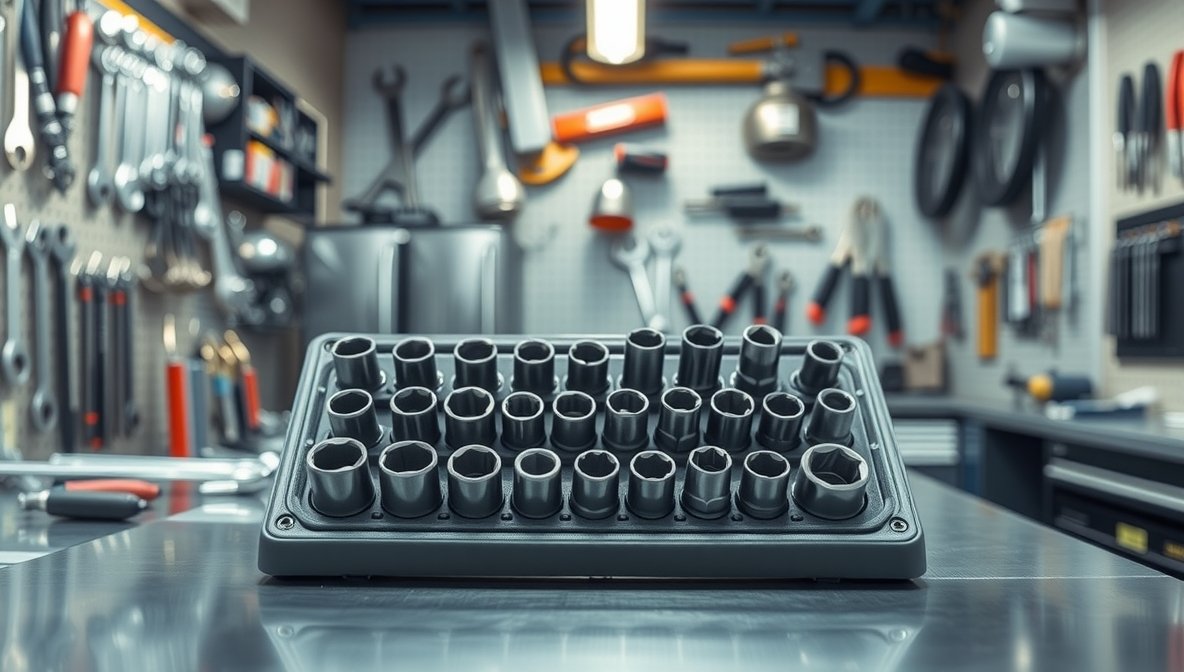
Keeping your tools in order can make your work faster, safer, and more enjoyable. A Socket Organizer is the perfect solution for anyone tired of searching for missing sockets during a project. This simple tool not only saves time but also extends the life of your sockets by keeping them properly stored and protected.
Whether you’re a professional mechanic or a DIY enthusiast, using a socket organizer helps you stay productive and stress-free. Let’s dive into this in-depth guide to understand why every toolbox deserves one and how to choose the best socket organizer for your needs.
What Is a Socket Organizer?
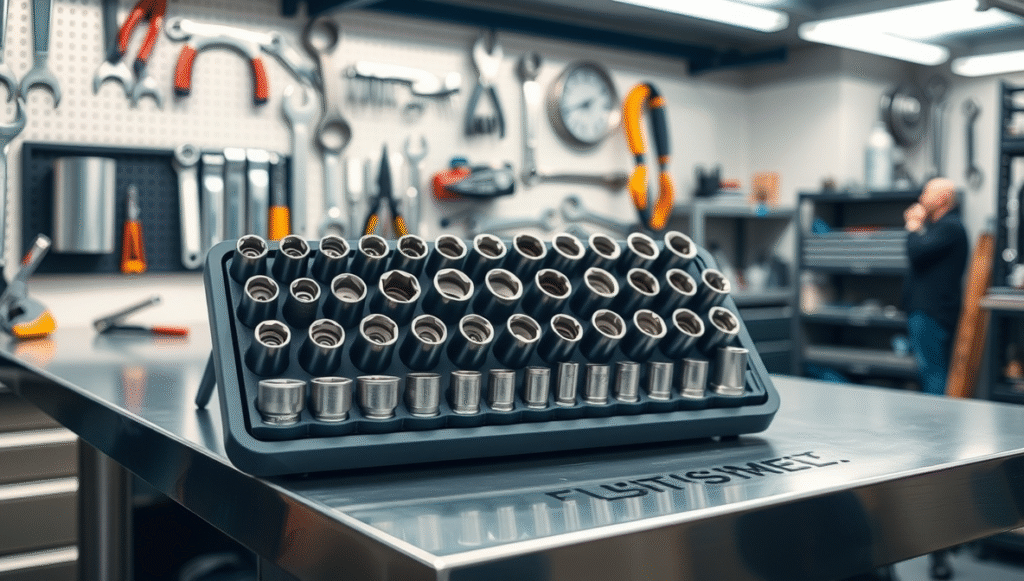
A socket organizer is a storage device designed to hold and arrange socket tools in one place. It keeps different sizes and types of sockets easily accessible and prevents them from getting lost or damaged. With it, you can instantly find the right socket instead of wasting time searching through a cluttered box.
Moreover, socket organizers come in various styles—such as trays, rails, clips, and magnetic holders. Each type offers unique benefits depending on your workspace and personal preferences. Investing in the right model enhances your efficiency and keeps your tools looking new for years.
Why You Need a Socket Organizer in Your Toolbox
Every tool lover knows how quickly sockets can scatter. A socket organizer brings order and structure, ensuring your tools stay neatly arranged. It saves you time while boosting productivity during repair or maintenance tasks.
Additionally, it protects sockets from rust and scratches. Organized storage prevents metal friction and keeps tools dry. As a result, your sockets last longer and maintain their accuracy over time.
Furthermore, a well-arranged set enhances workflow. You can easily see missing sockets and restock them before they become a problem.
Types of Socket Organizers Available
Choosing the right socket organizer depends on your needs. Various types serve different purposes and workspaces. Let’s look at the most popular styles.
1. Socket Rails
Socket rails are lightweight and portable. They hold sockets securely using clips or pegs. You can easily add or remove sockets when needed. Perfect for on-the-go work, these rails fit easily inside drawers or toolboxes.
2. Magnetic Socket Holders
These organizers use strong magnets to hold metal sockets in place. They keep sockets upright and secure, even when moved around. Ideal for metal toolboxes, they provide excellent grip and quick access.
3. Socket Trays
Socket trays feature labeled slots for each size, offering an at-a-glance organization system. They work best for stationary setups and large tool collections. Durable and stable, they’re perfect for workshops or garages.
4. Twist-Lock Socket Systems
This advanced system locks each socket in place. It’s great for travel or mobile tool carts since it prevents sockets from falling off. Mechanics often prefer these for professional use.

Benefits of Using a Socket Organizer
Owning a socket organizer delivers more than just neatness. It transforms your entire working experience.
First, it maximizes efficiency. You can instantly grab the correct socket and continue working without interruption.
Second, it reduces tool loss. Keeping sockets organized ensures that every piece returns to its place.
Third, it improves safety. Fewer scattered tools mean fewer chances of slipping or accidents.
Lastly, it enhances your professional image. Whether at home or in a workshop, an organized toolbox reflects responsibility and care.
How to Choose the Right Socket Organizer
Selecting the right organizer depends on your socket collection, storage space, and work environment.
Start by analyzing your socket sizes—metric or SAE. Many organizers are designed to fit one or both types. Then, decide whether you prefer a portable or stationary design.
Next, consider material quality. Steel, aluminum, and durable plastic offer long-lasting strength. Ensure that your choice can handle frequent use without bending or cracking.
Finally, check for clear labels and easy access. A well-marked organizer saves time and reduces errors during work.
Step-by-Step: How to Organize Your Sockets Efficiently
Organizing sockets takes only a few minutes, but the benefits last a lifetime. Follow these steps for best results:
- Sort by size: Arrange sockets in ascending order.
- Separate by type: Divide deep sockets, shallow sockets, and impact sockets.
- Label clearly: Use labels or built-in markers for quick identification.
- Assign a space: Dedicate specific spots for each socket.
- Maintain regularly: Clean and check your organizer monthly.
By following these steps, your toolbox will always stay neat and efficient.
Common Mistakes When Using a Socket Organizer
Even the best organizers can become messy if used incorrectly. Avoid these common mistakes to maintain order:
- Mixing sizes: Never store different socket sizes together.
- Ignoring maintenance: Dust and oil buildup can affect storage quality.
- Overfilling trays: Always allow space for easy removal and replacement.
- Skipping labels: Unlabeled sockets waste time and cause confusion.
Avoiding these habits ensures your socket organizer stays effective and easy to use.
Maintenance Tips for Your Socket Organizer
Proper maintenance keeps your organizer performing like new. Regularly wipe it with a dry or slightly damp cloth to remove dirt and grease.
Additionally, apply light oil to metal surfaces to prevent rust. Store it in a dry place away from moisture or direct sunlight.
Also, inspect clips and magnets for wear. Replacing damaged parts early ensures consistent socket security.
Portable vs. Stationary Socket Organizers
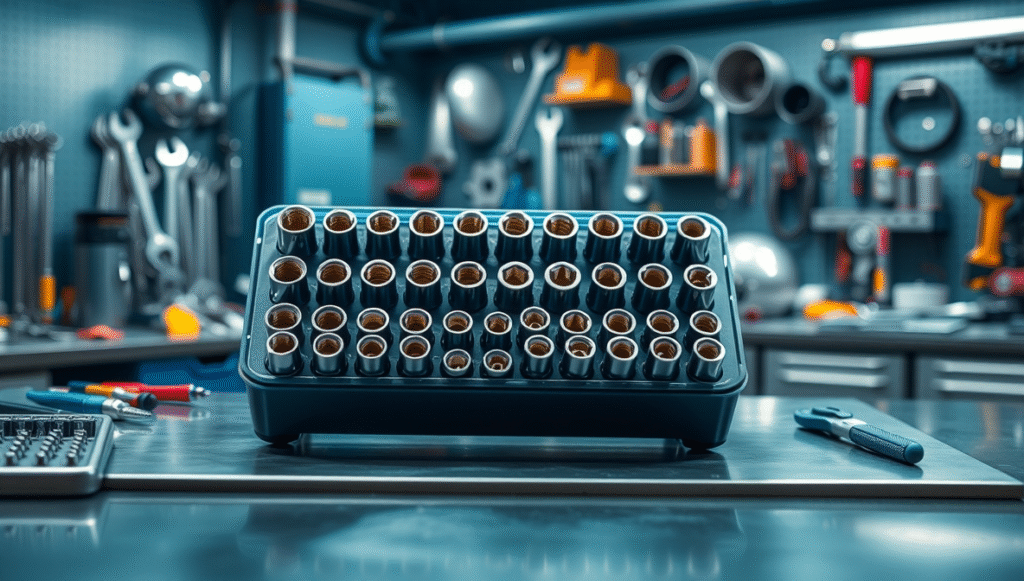
Choosing between portable and stationary models depends on how and where you work.
Portable organizers suit mobile workers, allowing them to carry essential sockets anywhere. They’re lightweight, compact, and travel-friendly.
Stationary organizers, however, offer more space and stability. Ideal for garages, they keep sockets secure during long-term storage.
Combining both types creates a balanced and efficient setup for all work conditions.
Where to Use a Socket Organizer
You can use a socket organizer in many places beyond a traditional toolbox. Mechanics use them in workshops, while homeowners store them in garages.
They also fit well in trucks, vans, and service carts. Some even use wall-mounted versions for a clean and space-saving display.
Wherever you use it, the main goal is convenience, accessibility, and protection.
Conclusion
A socket organizer is not just an accessory—it’s an essential part of an efficient workspace. It brings structure, saves time, and keeps your tools safe. Investing in one ensures smoother, faster, and more professional work.
Take action today—choose the right socket organizer and experience the joy of a perfectly organized toolbox.
FAQs
1. What is the main purpose of a socket organizer?
A socket organizer helps keep sockets arranged, easy to find, and safe from damage or loss.
2. Which type of socket organizer is best for mechanics?
Mechanics often prefer twist-lock or magnetic organizers for strong hold and mobility.
3. Can socket organizers hold both metric and SAE sizes?
Yes, many models are designed to hold both types, offering versatile storage solutions.
4. How do I clean my socket organizer?
Wipe it with a dry or damp cloth regularly, and avoid storing it in humid areas.
5. Are magnetic socket organizers safe for all sockets?
Yes, they work perfectly with metal sockets, but non-magnetic materials may require clips or trays instead.